Bagh-e-Bahar

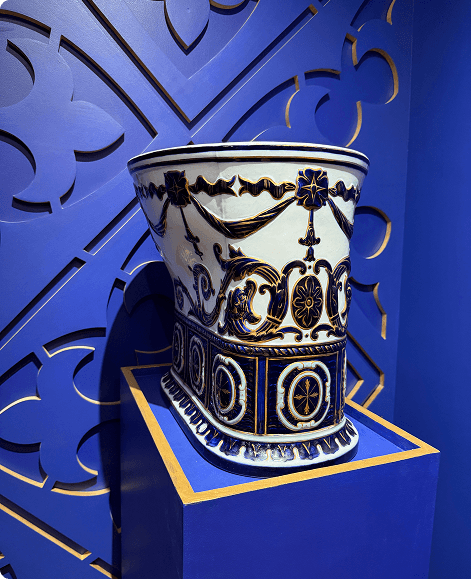
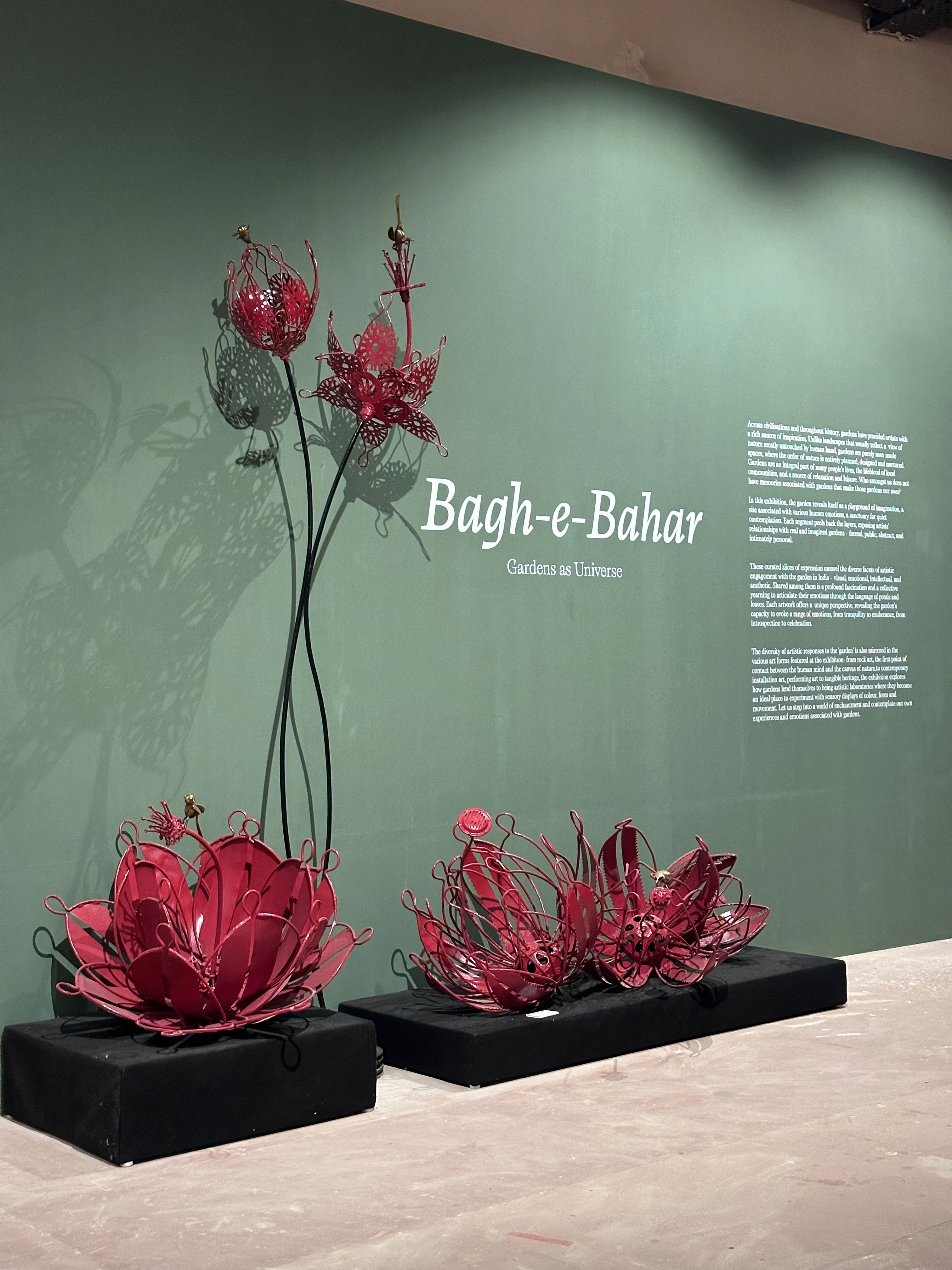
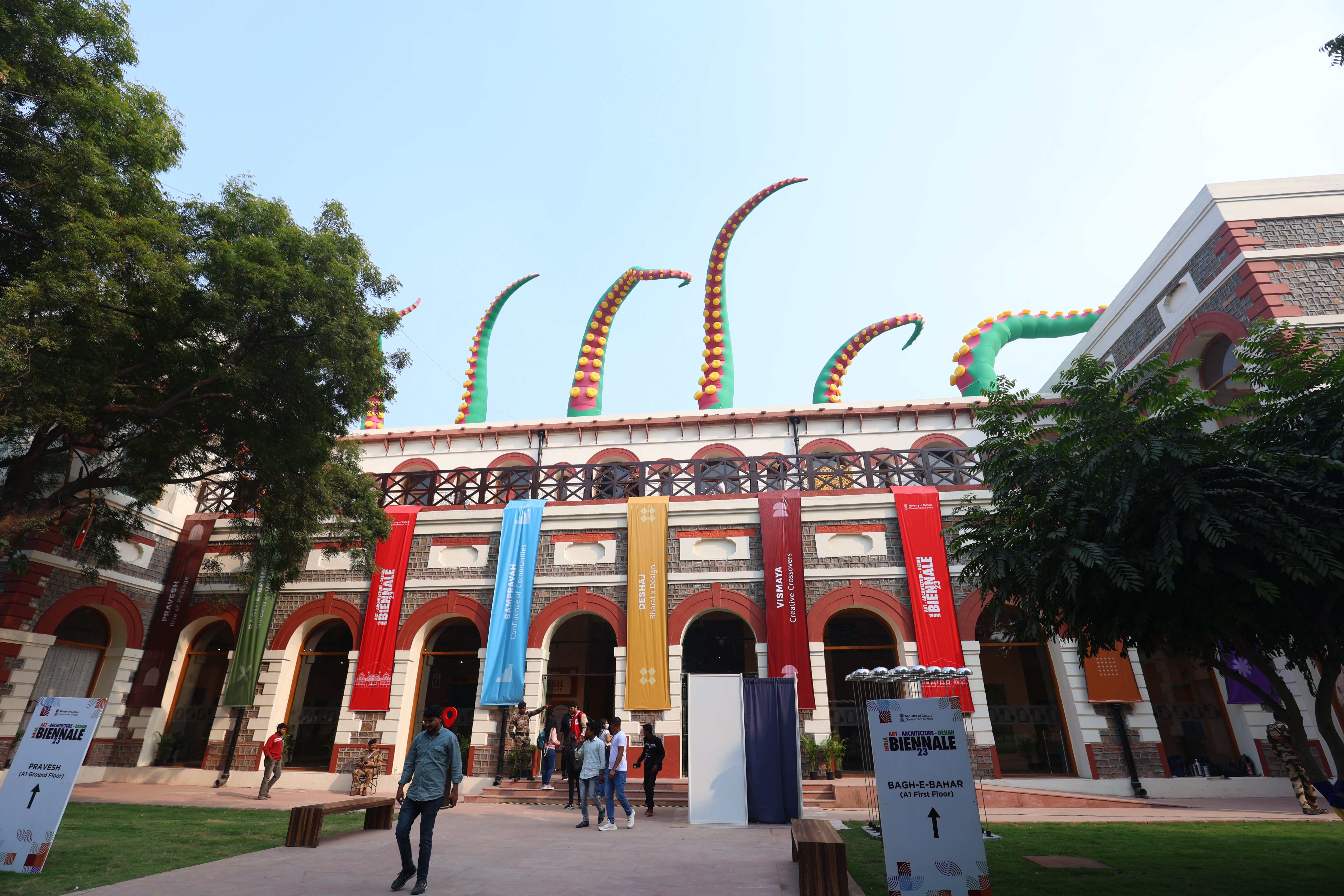
Bagh-e-Bahar was one of the seven landmark exhibitions presented at the first India Art, Architecture and Design Biennale, 2023, hosted at the Red Fort in New Delhi.

Bagh-e-Bahar was one of the seven landmark exhibitions presented at the first India Art, Architecture and Design Biennale, 2023, hosted at the Red Fort in New Delhi.

Bagh-e-Bahar was one of the seven landmark exhibitions presented at the first India Art, Architecture and Design Biennale, 2023, hosted at the Red Fort in New Delhi.

December, 2023

Research & Content

Design & Curation
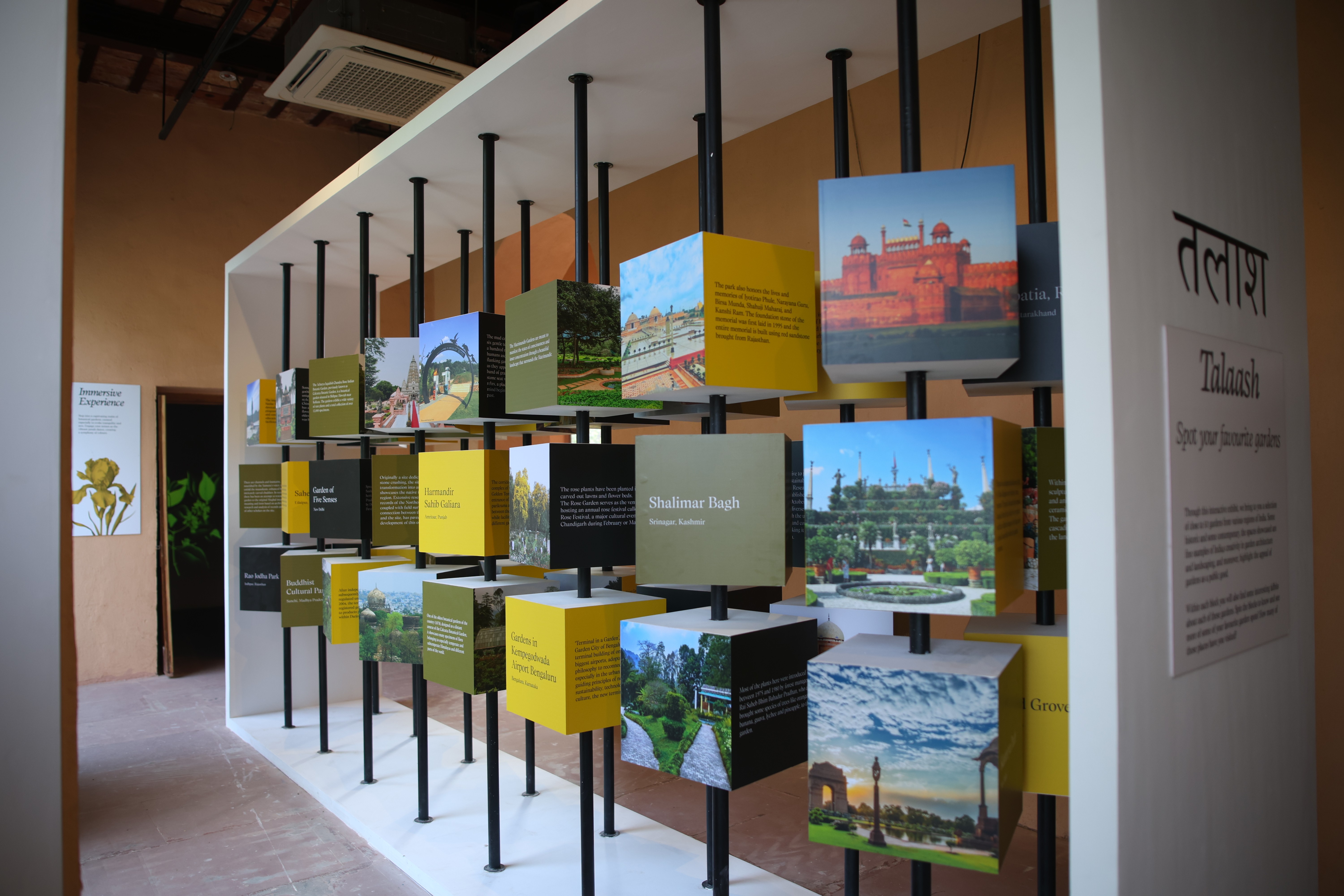
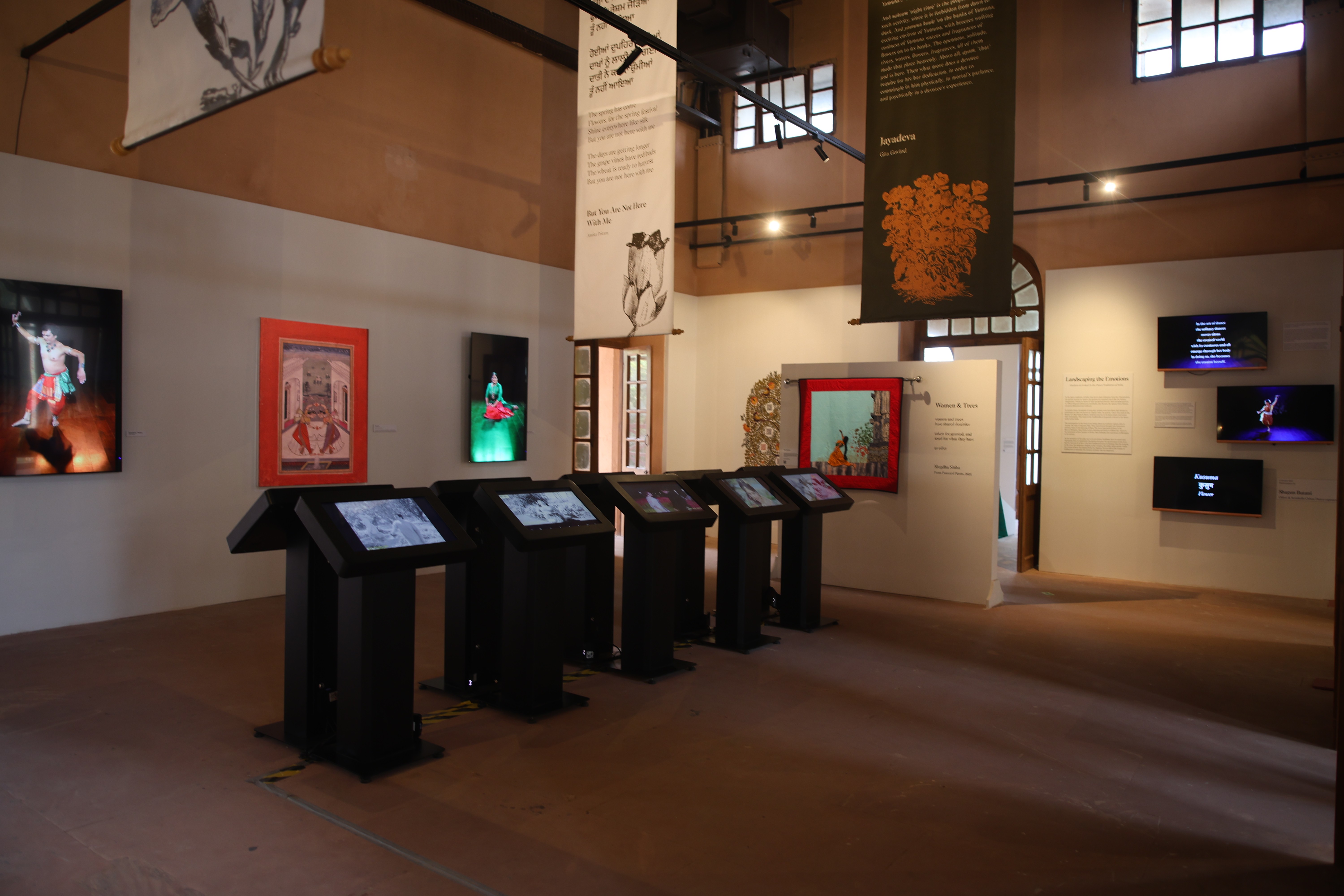
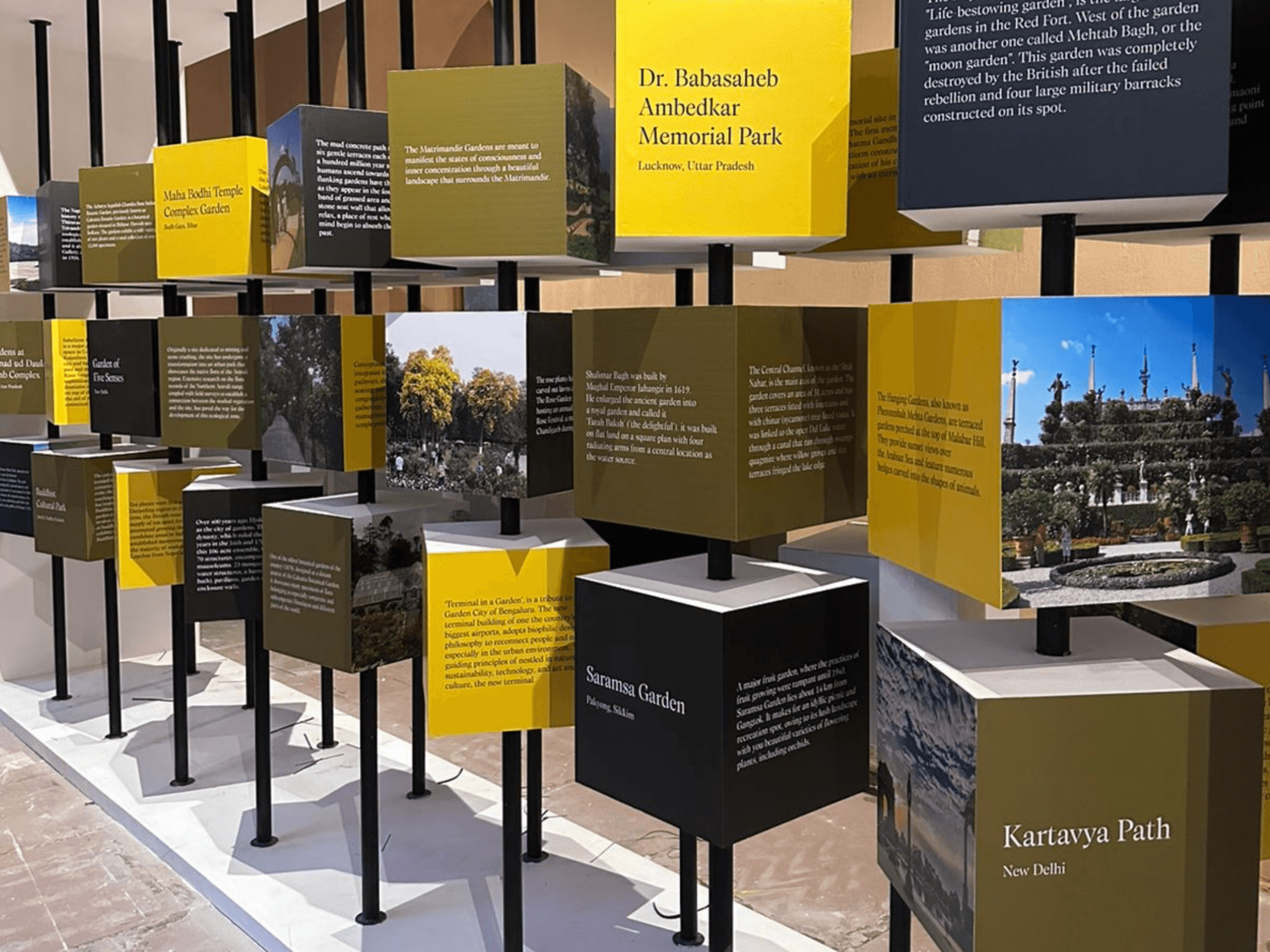
Bagh-e-Bahar was conceived as a cultural and curatorial exploration of Indian gardens as living systems - spaces shaped by history, belief, ecology, and artistic imagination. Positioned within the inaugural Biennale, the exhibition framed gardens not merely as landscapes, but as enduring cultural expressions embedded in everyday and sacred life across India.

Bagh-e-Bahar was conceived as a cultural and curatorial exploration of Indian gardens as living systems - spaces shaped by history, belief, ecology, and artistic imagination. Positioned within the inaugural Biennale, the exhibition framed gardens not merely as landscapes, but as enduring cultural expressions embedded in everyday and sacred life across India.

Bagh-e-Bahar was conceived as a cultural and curatorial exploration of Indian gardens as living systems - spaces shaped by history, belief, ecology, and artistic imagination. Positioned within the inaugural Biennale, the exhibition framed gardens not merely as landscapes, but as enduring cultural expressions embedded in everyday and sacred life across India.

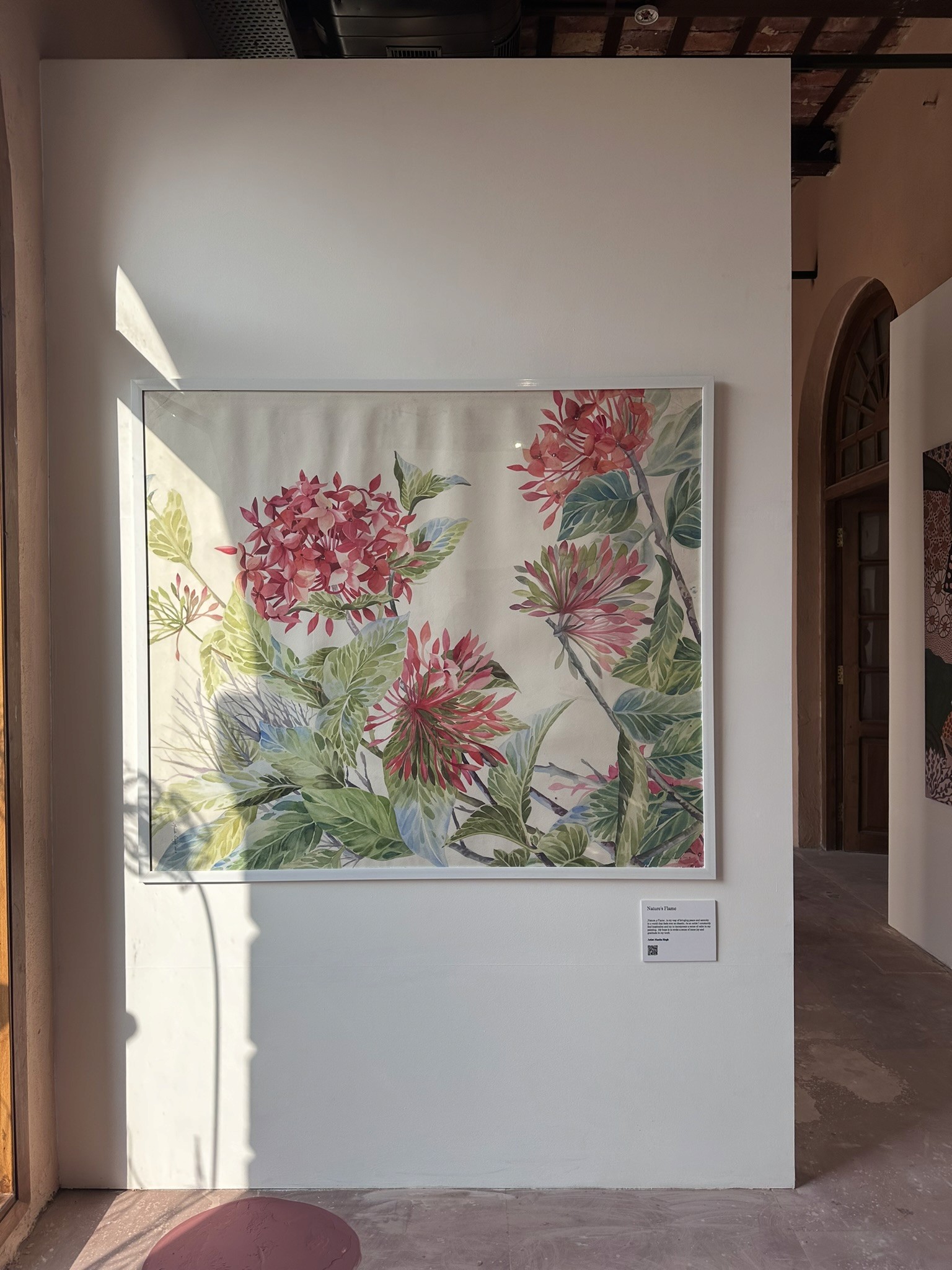
Drawing from extensive research, the exhibition traced diverse garden traditions - from Mughal charbaghs and temple groves to regional sacred landscapes and contemporary ecological spaces. These narratives highlighted how gardens function as sites of ritual, contemplation, power, and community memory, reflecting evolving relationships between people and nature.
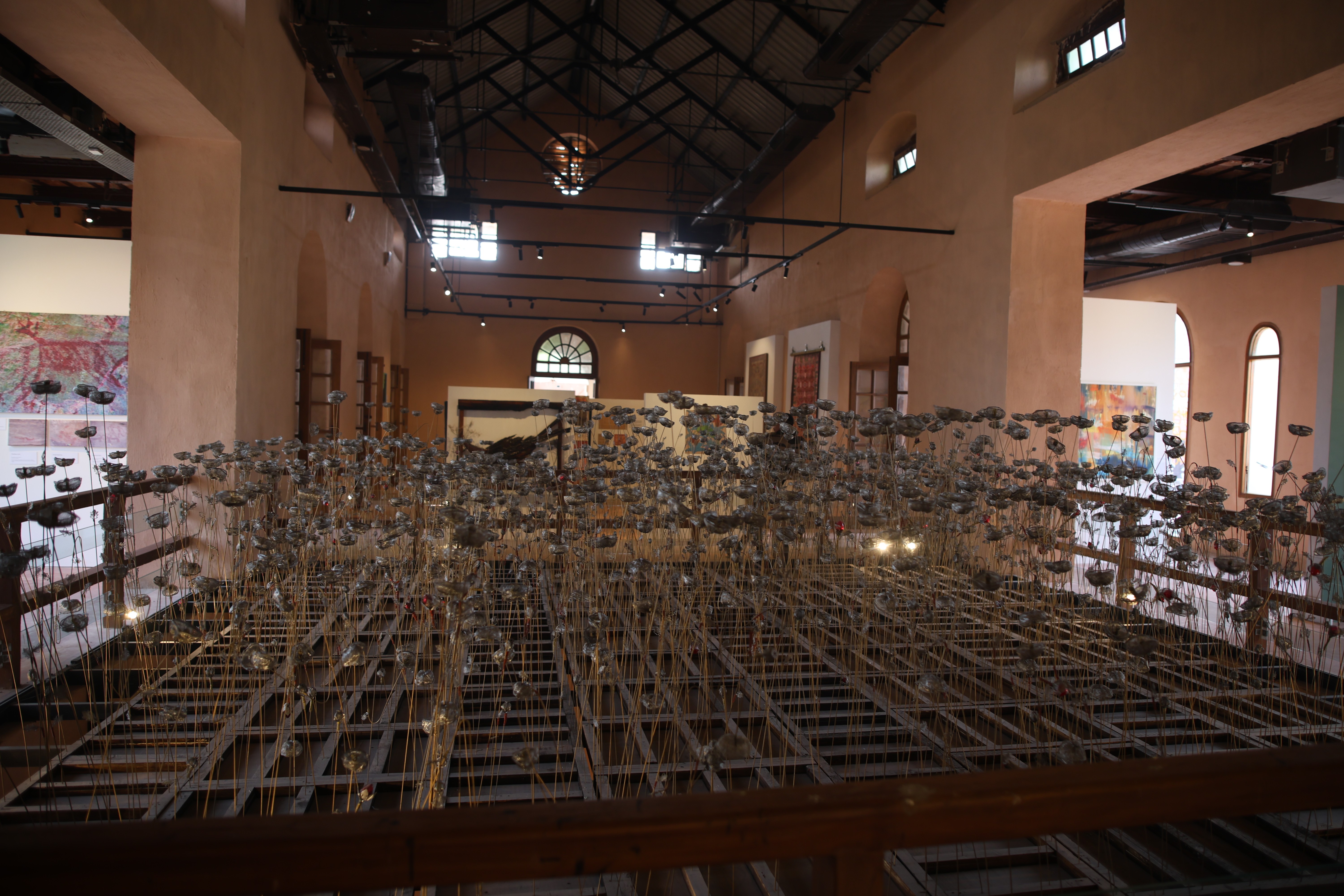
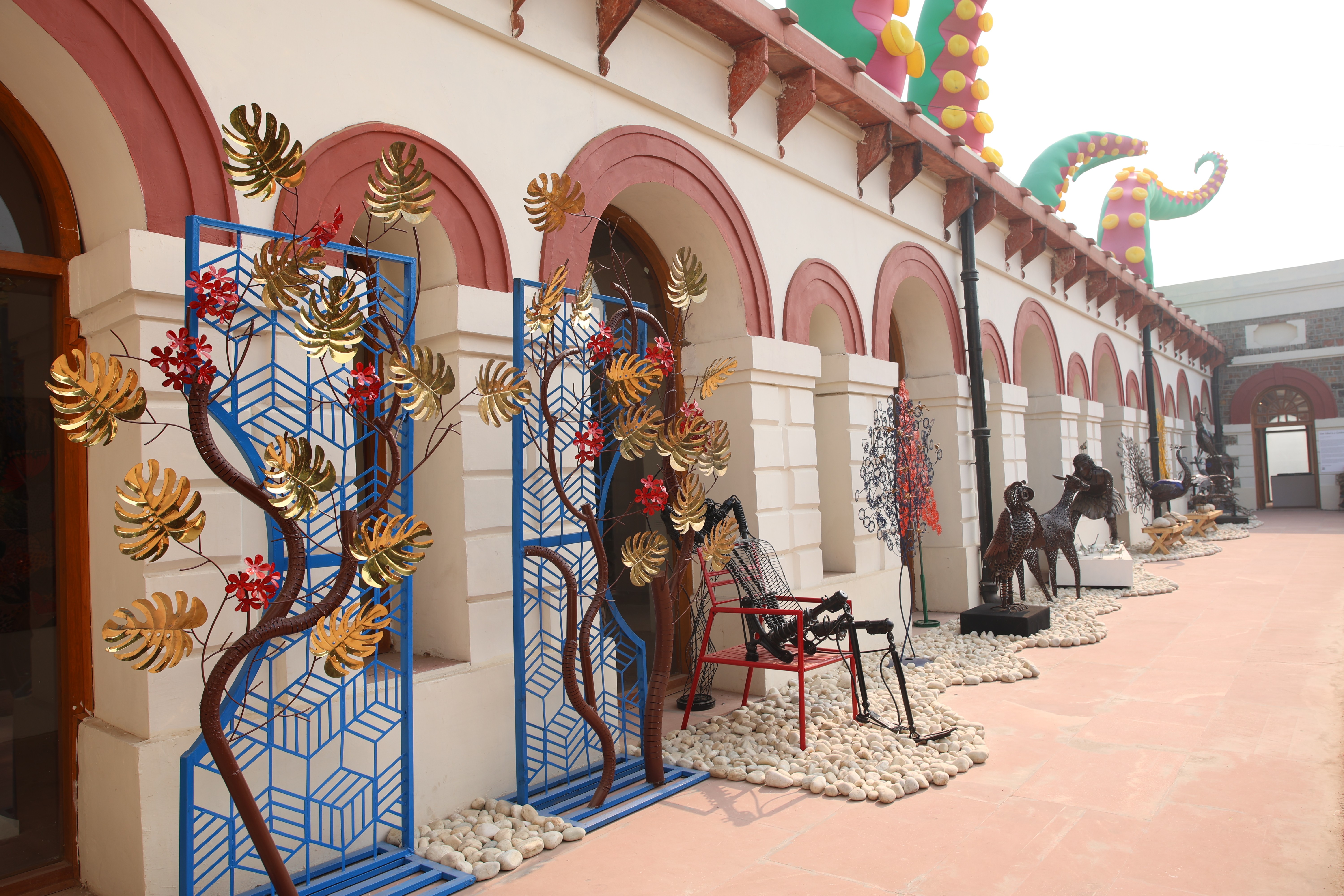
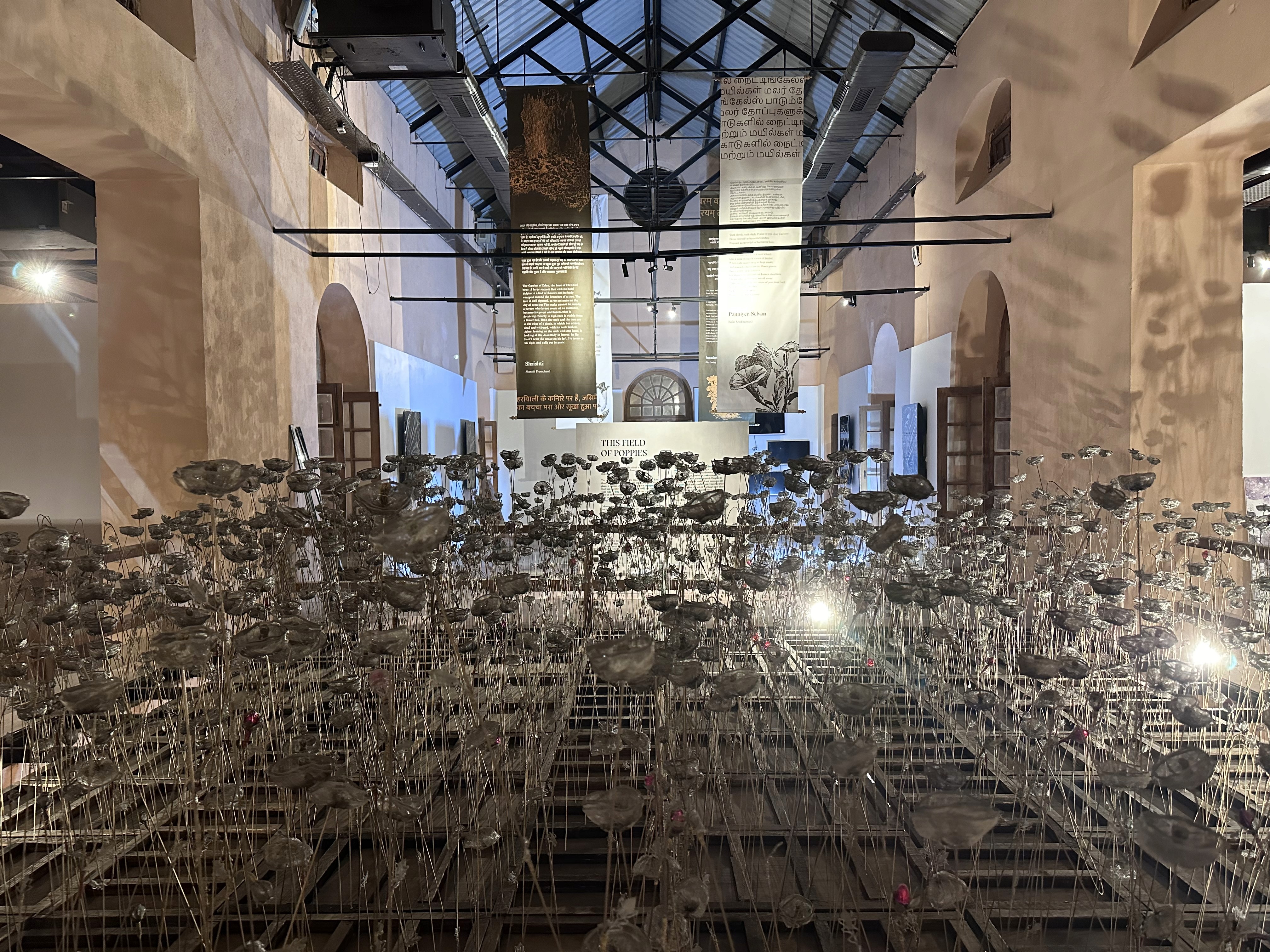
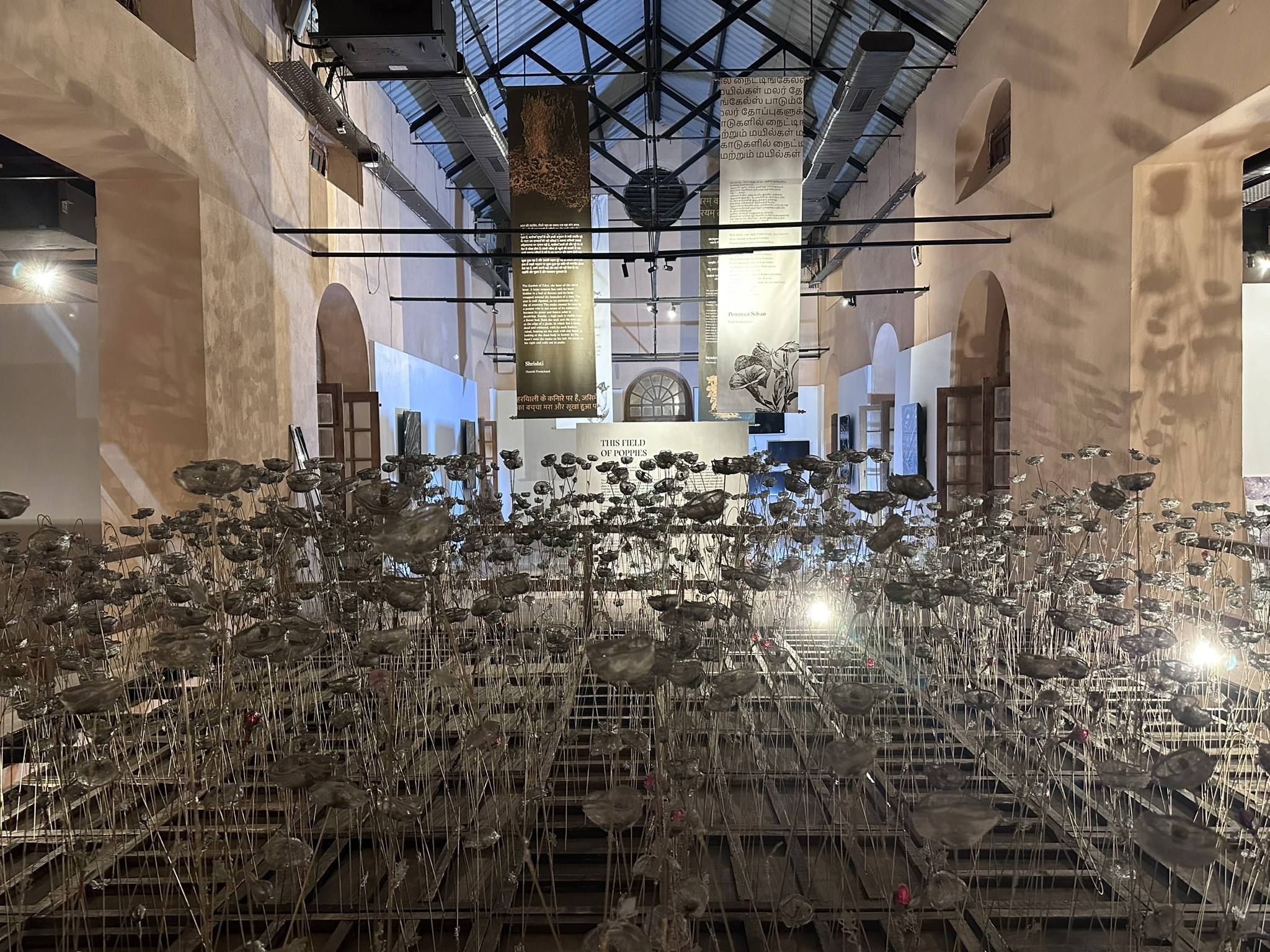
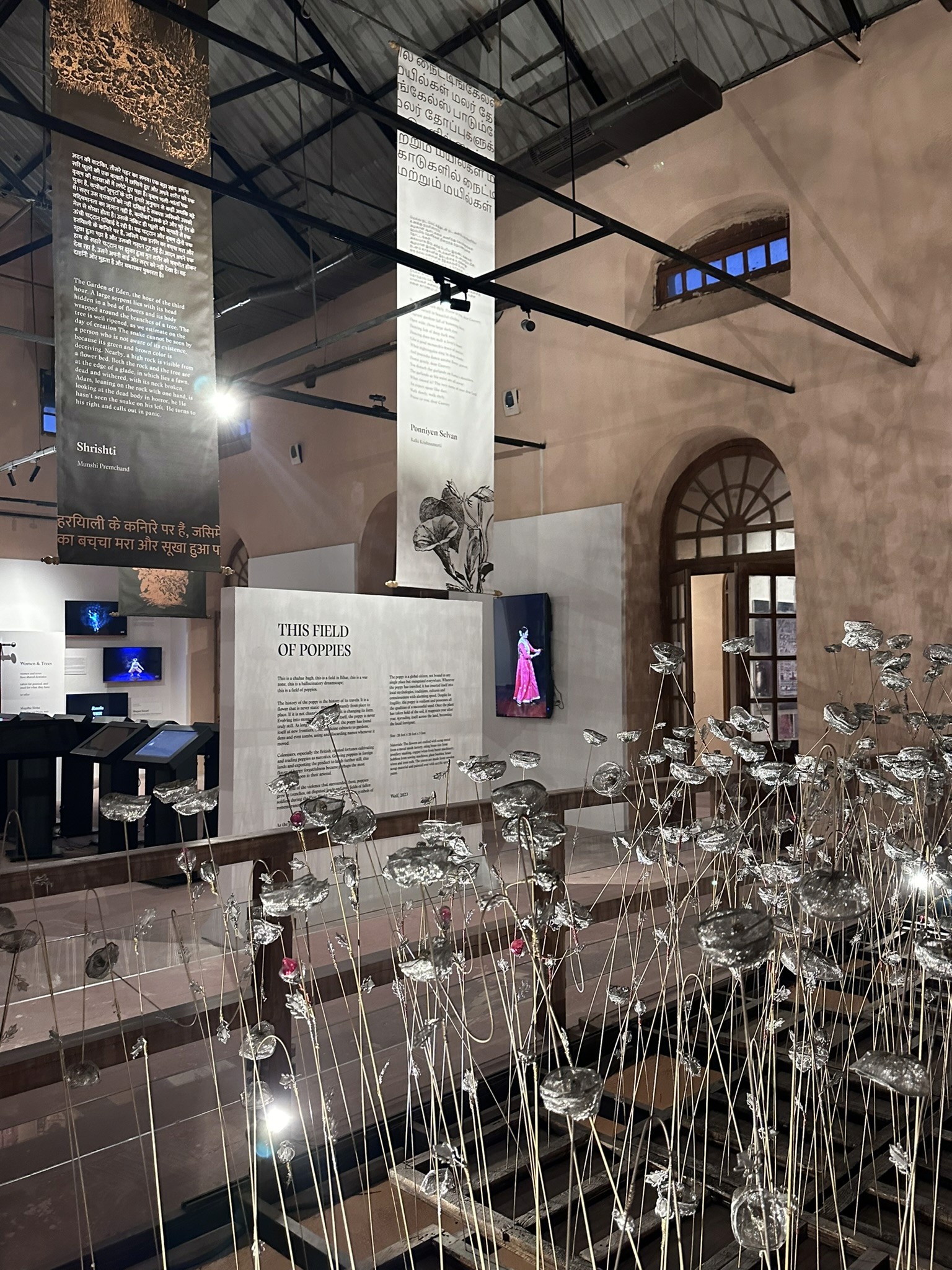
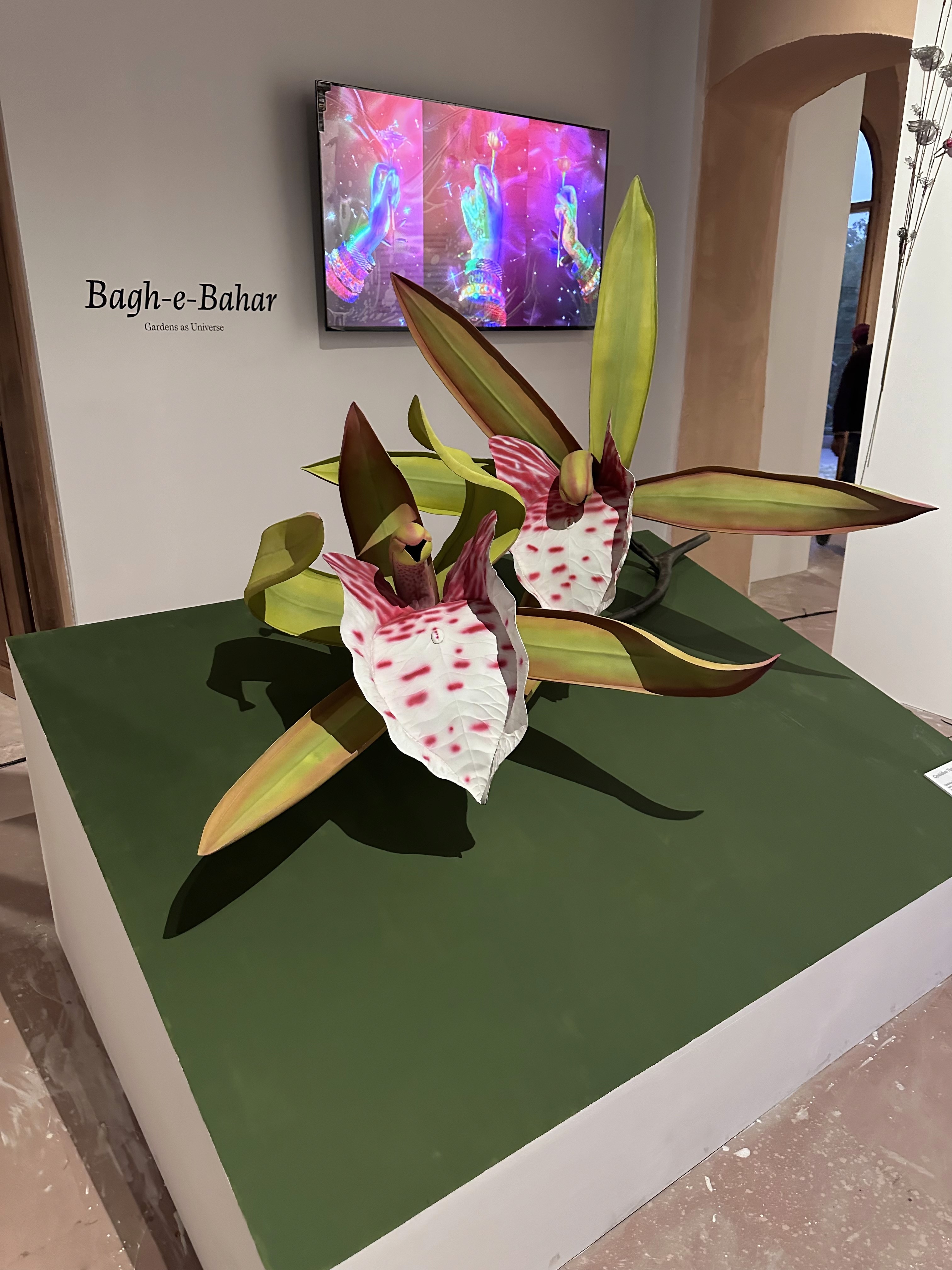
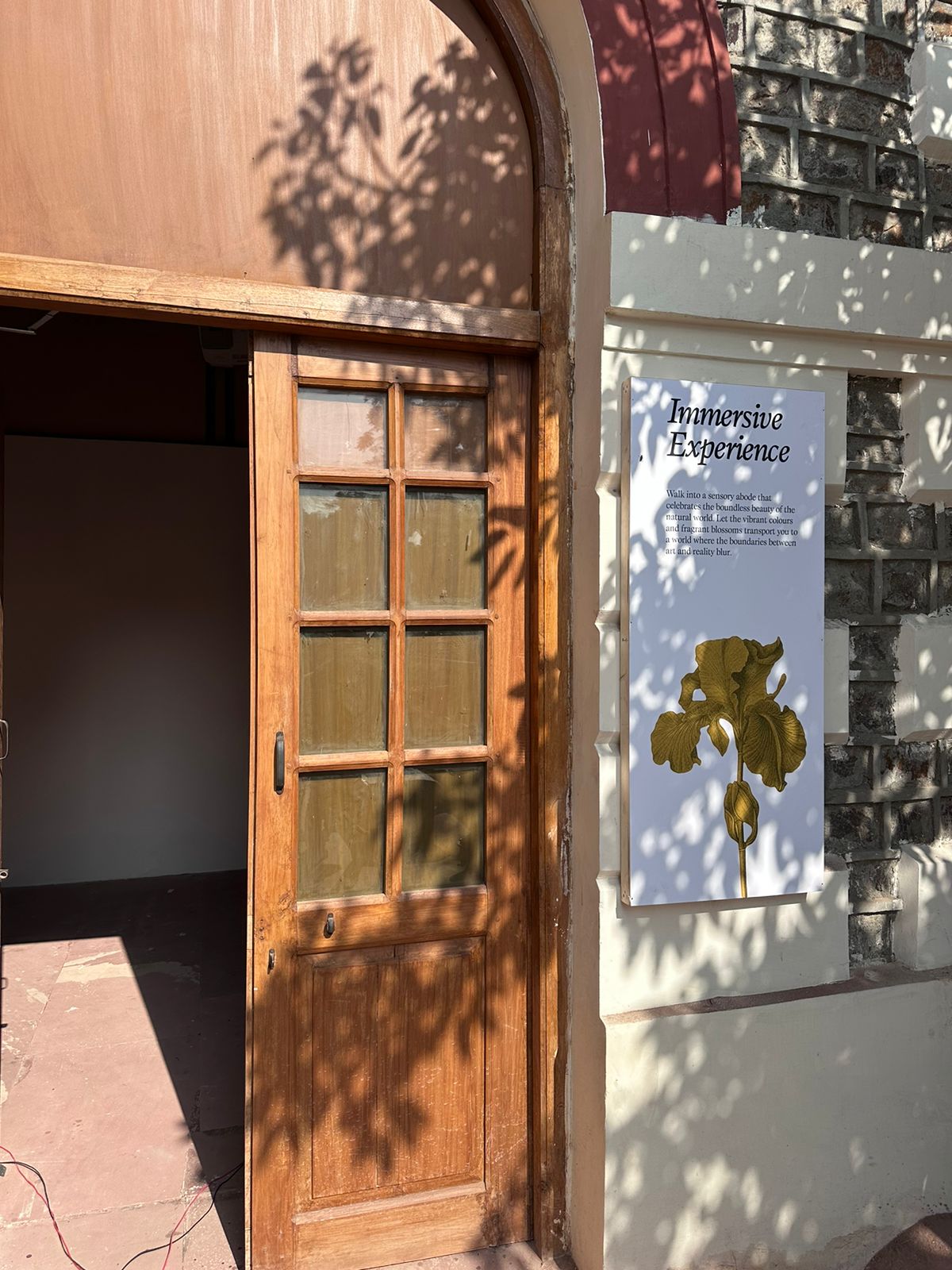
The exhibition featured immersive installations and artifacts that translated research into spatial experiences. Notable among them was the “Field of Poppies,” crafted from scrap metal, symbolising regeneration, sustainability, and creative reuse. Physical displays were complemented by visual storytelling and digital interactives, creating a layered and multisensory visitor journey.

The exhibition featured immersive installations and artifacts that translated research into spatial experiences. Notable among them was the “Field of Poppies,” crafted from scrap metal, symbolising regeneration, sustainability, and creative reuse. Physical displays were complemented by visual storytelling and digital interactives, creating a layered and multisensory visitor journey.

The exhibition featured immersive installations and artifacts that translated research into spatial experiences. Notable among them was the “Field of Poppies,” crafted from scrap metal, symbolising regeneration, sustainability, and creative reuse. Physical displays were complemented by visual storytelling and digital interactives, creating a layered and multisensory visitor journey.

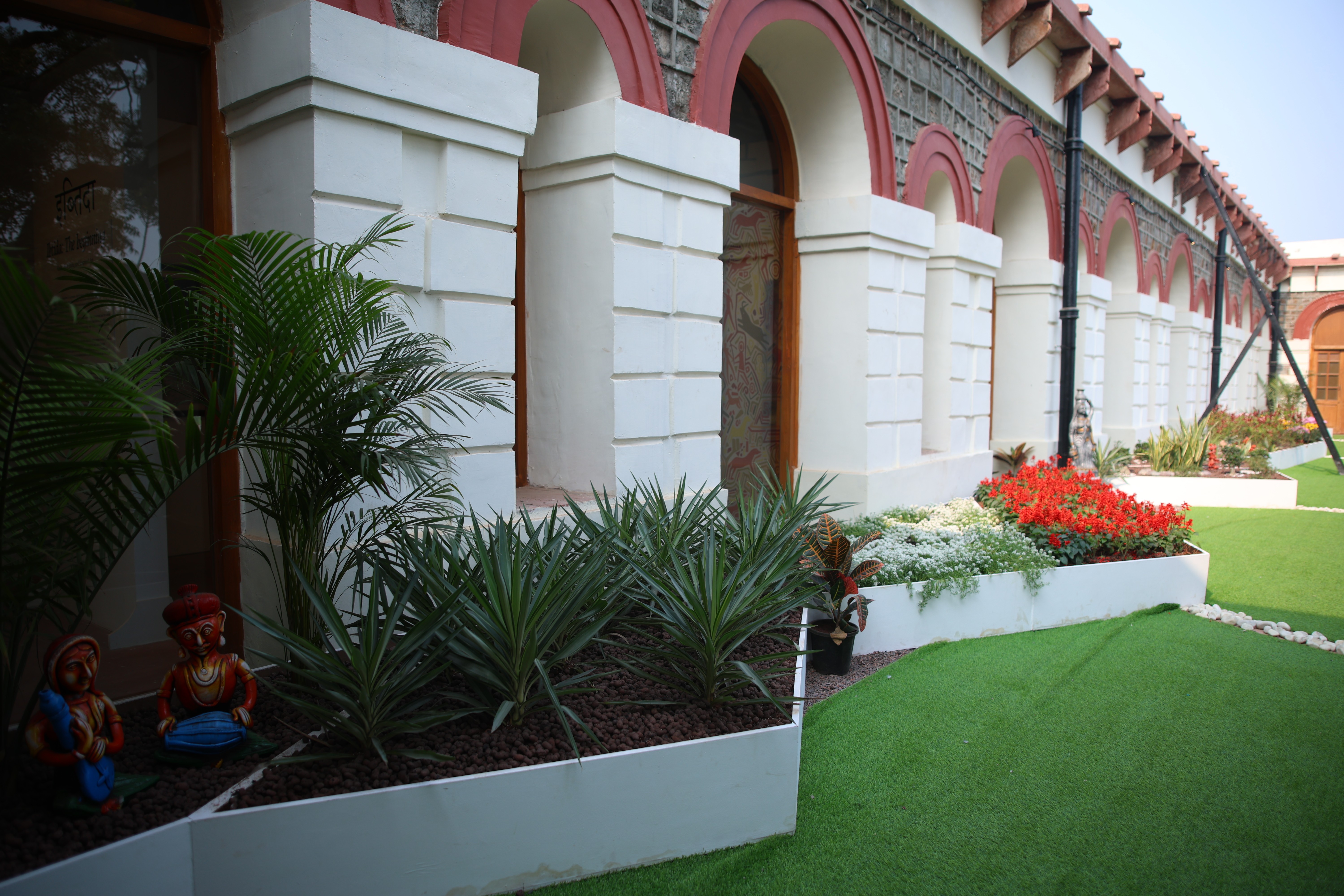
Set against the historic backdrop of the Red Fort complex, Bagh-e-Bahar invited visitors to reflect on gardens as universes—sites of artistic inspiration, ecological wisdom, and spiritual practice. Through its curatorial approach and experiential design, the exhibition contributed meaningfully to the Biennale’s vision of cultural dialogue and India’s landscape heritage.
Subscribe to our NewSLETTER

Cultre

All rights reserved 2025

Find us

C-45, 3rd Floor,

Nizamuddin East,

New Delhi, Delhi - 110013

+91 83768 26390

info@cultre.in

Subscribe to our NewSLETTER

Cultre

All rights reserved 2025

Find us

C-45, 3rd Floor,

Nizamuddin East,

New Delhi, Delhi - 110013

+91 83768 26390

info@cultre.in

Subscribe to our NewSLETTER

Cultre

All rights reserved 2025

Find us

C-45, 3rd Floor,

Nizamuddin East,

New Delhi, Delhi - 110013

+91 83768 26390

info@cultre.in